A summer flower out in the garden, Lily can be forced into bloom indoors in late winter or early spring.
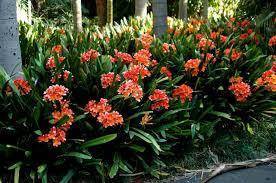
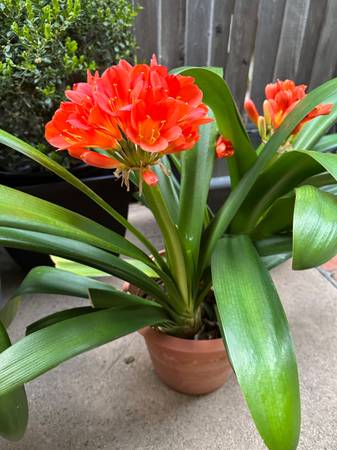
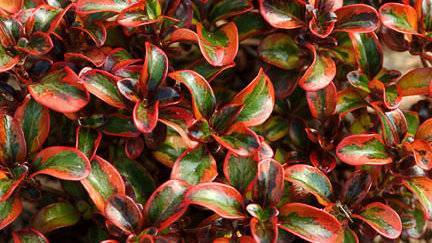
This member of the amaryllis family (Amaryllidaceae) bears clusters of 10-15 trumpet-shaped flowers above a thick, upright stem. Bright orange flowers with yellow centers are the most common; however, sometimes you can find rarer peach, yellow or white varieties. Rarer still are cultivars with variegated leaves.
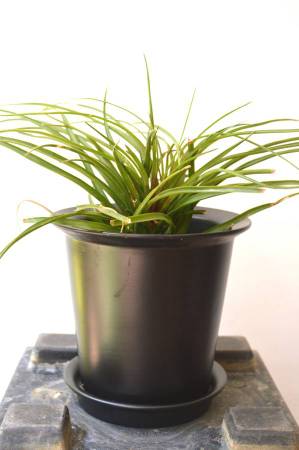
Dark-green strappy leaves are 2 in (5 cm) wide and can reach about 18 in (45 cm) long and last year-round. Wipe off the leaves with a damp cloth to keep them dust-free and shiny.
How to Make Clivia Bloom
-------------------------------------
Give Lily a cool, dry rest for 6-8 weeks in fall to make it bloom. If you live where winters are cold, you can keep the potted clivia on your porch or patio for a month before the first frost, then bring it back inside and keep it in a cool room until midwinter.
After this rest, the increase of water along with normal room temperatures will bring a spectacular show of blooms in March or April. Show off your blooming clivia on a plant stand for all to admire.
After the Bloom
Cut off the spent flower head. Wait till the flower stem begins to shrivel before cutting it off at the base of the plant. You can continue to display the plant -- its glossy fan of leaves will still be attractive.
Don't be too quick to repot. This beautiful bloomer flowers best when it is slightly pot-bound and can stay in the same pot for 3 years or more. Its thick, fleshy roots often appear on the surface of the soil. Just top dress every year by topping with fresh soil as needed. Plants get bigger and better over the years, so it's a good idea to use a heavy pot to prevent your plant from toppling. Or slip a plain pot into a decorative cachepot to dress it up. Don't worry -- a stylish cachepot won't upstage this magnificent houseplant.